The Essential Silk Road Packing List: What Fifteen Years on These Roads Actually Teaches You
There is a particular kind of silence that settles over the Wakhan Corridor an hour before sunset, when the wind drops, the Panj River goes the colour of hammered pewter, and Afghanistan’s mountains on the far bank turn the exact shade of a bruise healing. Nobody warns you about that silence in the brochures. Nobody mentions, either, that the down jacket you almost left at home because “it’s summer” will be the only thing standing between you and a genuinely miserable night at 3,800 metres.
The Silk Road does not punish bad planning gently. It punishes it with cold hands on a horse, with a stomach bug two days from the nearest pharmacy, with a passport photocopy you didn’t think you’d need at a checkpoint outside Khorog. And it rewards good planning just as bluntly: with a body that copes with altitude instead of fighting it, with a wardrobe that lets you sit cross-legged in a yurt without a second thought about modesty, with a bag light enough that a horse, not your own spine, ends up carrying it.
This guide comes from watching hundreds of travellers get this wrong and right in roughly equal measure, across Uzbekistan’s tiled courtyards, Kazakhstan’s endless steppe, Kyrgyzstan’s high pastures, and Tajikistan’s unforgiving passes. What follows is not a generic checklist copied from an airline magazine. It is the packing logic that actually holds up once you are three days from the nearest paved road.
Why the Silk Road Refuses to Behave Like a Normal Destination
Most travel packing lists assume one climate, one culture, one type of terrain. The Silk Road offers none of those courtesies. In a single fortnight, a traveller might stand in 40°C heat photographing the turquoise domes of Samarkand, then two flights and a jeep ride later, wake up under frost at a yurt camp beside Song-Kul lake. The region spans desert basins that sit below sea level in places, and mountain ranges, the Tien Shan, the Pamir, the Alay, that rank among the highest non-Himalayan terrain on Earth.
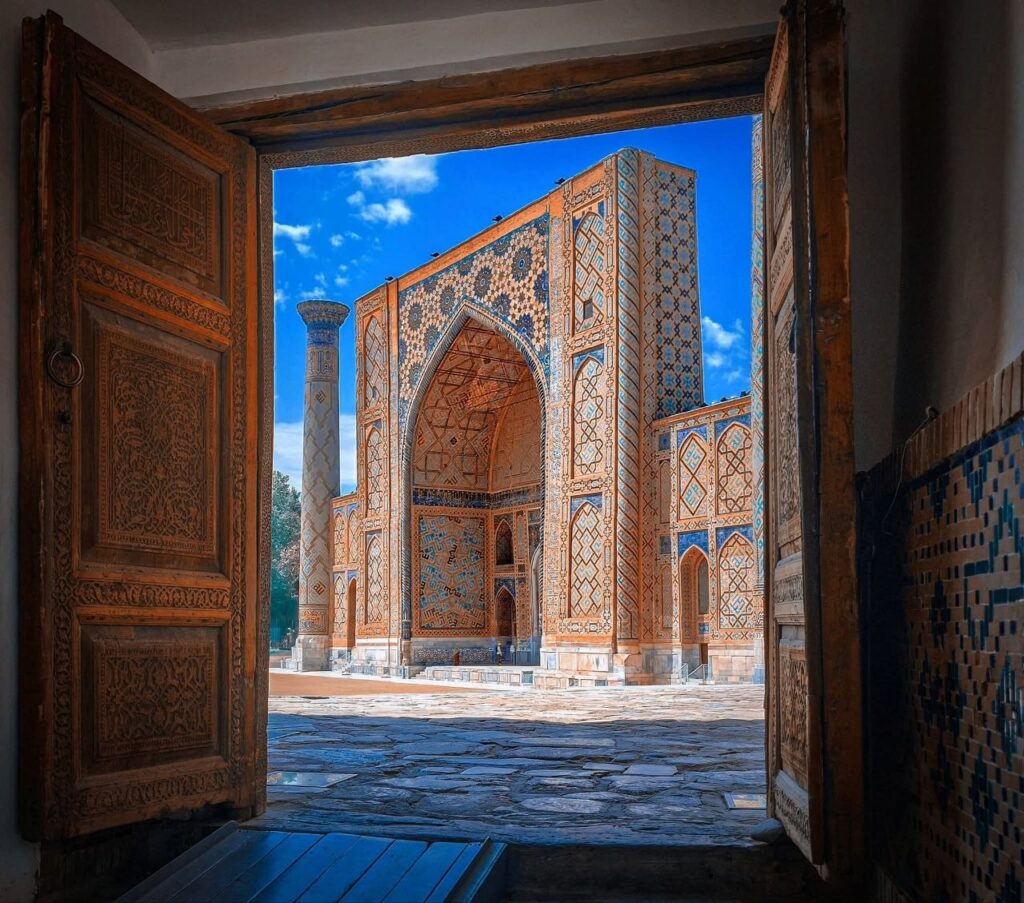
Altitude here is not an abstract number on a map. Many of the routes travellers now take for granted, the road to Murghab, the passes above 4,000 metres on the Pamir Highway, the high pastures around Song-Kul, sit higher than most European ski resorts, higher than Everest Base Camp trekkers’ first acclimatisation stops. That single fact should reshape how anyone packs for this region, and it rarely does, because the marketing photography of turquoise mosaics rarely hints at the mountain reality waiting just beyond the city limits.
Then there is the cultural layer, which no packing list for the Alps or the Rockies needs to account for. Much of Central Asia remains, at heart, conservative and Muslim in its social rhythm, even where the cities feel cosmopolitan and Soviet-era architecture dominates the skyline. Dressing with awareness here is not a box-ticking exercise in political correctness. It is the difference between being welcomed into a family’s home for tea and being quietly, politely kept at arm’s length.
There is also a logistical layer that catches out even seasoned travellers who have handled genuinely remote corners of South America or Southeast Asia without incident. Pharmacies, proper mechanics, and reliable phone signal all thin out at a rate unfamiliar to anyone used to Western infrastructure, sometimes within an hour of leaving a regional capital. A missing item here rarely means a short walk to the nearest shop. It often means doing without for the rest of the week, which is precisely why the packing decisions made before departure carry more weight on this route than on almost any other adventure itinerary a traveller in their thirties, forties or fifties is likely to have attempted before.
None of this should read as a deterrent. If anything, it is the opposite. The very isolation that makes packing decisions matter is what keeps the region so remarkably free of the crowds, the queues and the manufactured experiences that have hollowed out so much of global travel. A traveller who prepares properly for these conditions gets access to something increasingly rare: places that have not yet been reshaped around the expectations of outside visitors.
The Five Countries, One Region: A Quick Geographic Orientation
Understanding what to pack starts with understanding what you are actually walking into. Each of the five Central Asian republics carries its own climate signature and its own travel rhythm.
| Country | Landscape signature | Typical altitude range | Best suited for |
|---|---|---|---|
| Uzbekistan | Silk Road cities, desert basin | 400–1,600 m | Architecture, history, city-to-city travel |
| Kazakhstan | Steppe, canyons, alpine foothills | 300–3,000 m | City trips, day hikes, road trips |
| Kyrgyzstan | High pasture, alpine lakes, nomadic yurts | 1,600–4,000 m+ | Horseback riding, trekking, yurt stays |
| Tajikistan | Pamir Highway, Wakhan Corridor, Fann Mountains | 1,200–4,700 m | Overland expedition, high-altitude trekking |
| Turkmenistan | Karakum desert, closed-door tourism | 100–1,500 m | Highly restricted, organised group visits only |
Turkmenistan sits apart from the rest, largely because independent travel is essentially impossible and even organised tours move through a narrow, tightly managed corridor of experiences. Most Silk Road itineraries built around genuine cultural depth concentrate on the other four, and this guide does the same.
The Documents Layer: Boring, Yet Non-Negotiable
No amount of beautiful packing advice matters if a border guard turns you back at Nizhny Pyanj or Kulma Pass. Passport validity of at least six months from your return date is standard across all four countries, and several borders will not budge on this even for travellers with an otherwise flawless itinerary.
Visa policy across Central Asia has loosened dramatically over the past decade. Citizens of dozens of countries, including most of the EU, the UK, the US, Australia and the Gulf states, can now enter Kyrgyzstan, Kazakhstan and Uzbekistan visa-free or via a straightforward e-visa. Tajikistan’s e-visa system covers most nationalities too, though anyone travelling through the Gorno-Badakhshan Autonomous Region, which includes the entire Pamir Highway, needs an additional GBAO permit, applied for alongside the e-visa itself, not as an afterthought at the border.
Travel insurance is not legally required anywhere in the region, yet treating it as optional is one of the few genuinely reckless decisions a traveller can make here. A policy that explicitly covers high-altitude trekking (anything above 3,000 metres often falls outside standard cover), emergency evacuation, and theft will matter far more than most people expect, precisely because it is the one document nobody thinks about until the exact moment they need it.
Carry both digital and paper copies of your passport, visa, GBAO permit where relevant, and insurance policy, stored separately from the originals. A money belt worn under clothing, rather than a visible bum bag, keeps the essentials close without advertising them.
Money, Currency and the Cash Reality Nobody Mentions
Card payments have expanded quickly in Tashkent, Almaty and Bishkek, yet the moment a journey leaves the capital, cash becomes the only functioning currency, in every sense of the word. US dollars remain the most reliably exchangeable foreign currency across all four countries, though notes need to be recent, unmarked and uncreased, since exchange offices here can be surprisingly particular about condition. Euros work as a secondary option but attract lower acceptance in smaller towns.
ATMs cluster in cities and largely disappear once the road turns to gravel, so withdrawing local currency, som in Kyrgyzstan, tenge in Kazakhstan, somoni in Tajikistan, before heading into rural regions saves considerable stress later. A modest cash reserve kept separately from the main wallet, alongside the phone number needed to freeze a card from abroad, rounds out a sensible money strategy.
Clothing Philosophy: Dressing for Four Seasons and Two Cultures at Once
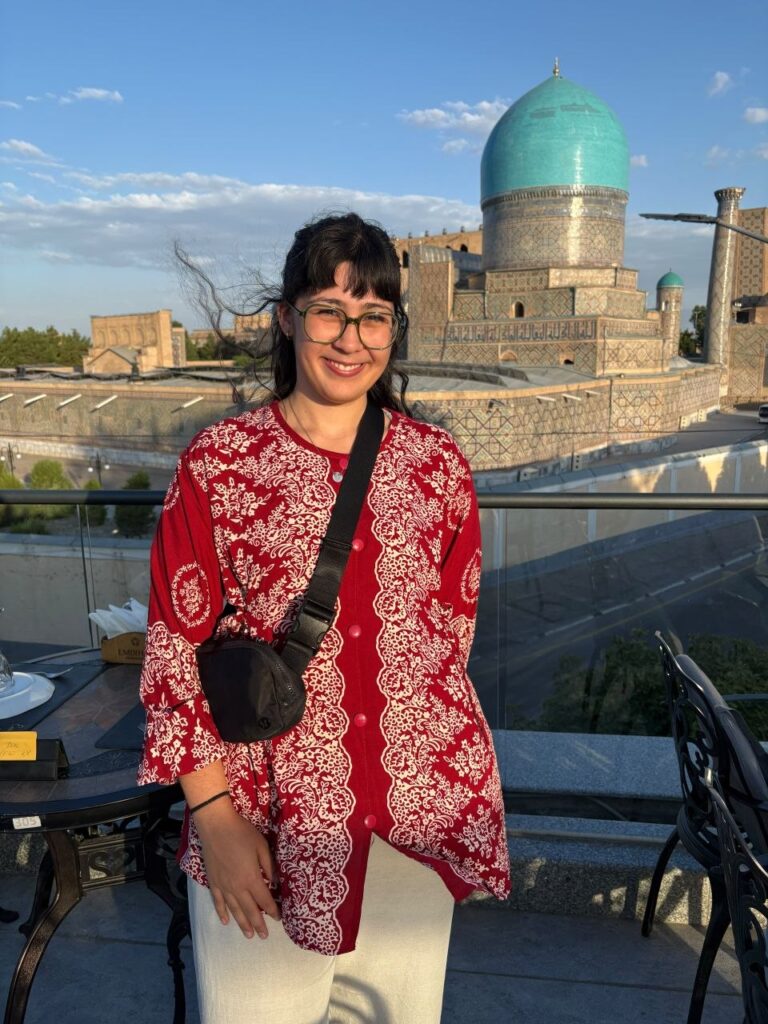
The single hardest thing to explain to a first-time Silk Road traveller is that the “right” outfit changes not just with the weather, but with the setting. A sleeveless top that draws no attention in a Tashkent hotel lobby will draw a great deal of attention in a rural village mosque courtyard.
The most reliable approach layers three things: a breathable, moisture-wicking base layer; a warm mid-layer, ideally fleece or a lightweight down piece that compresses small; and a windproof, waterproof outer shell. This system works whether the day delivers desert heat, mountain wind, or an unexpected downpour, and mountain weather here has a genuine habit of delivering all three before lunch.
For men, comfortable long trousers, breathable shirts with sleeves that can be rolled up or down depending on the setting, and a warm sweater for evenings cover almost every situation. For women, the more comfortable approach favours loose, knee-length or longer skirts and dresses, or loose trousers paired with tunics that cover the shoulders and avoid clinging silhouettes, alongside a lightweight scarf that does double duty covering hair or shoulders at religious sites and blocking dust on windy mountain roads. Neither gender needs to buy anything resembling local dress. Modesty here is about coverage and looseness, not costume.
Rural villages and religious sites reward a more conservative approach than any of the capital cities demand. A useful mental rule: dress for the smallest, most traditional village on the itinerary, not the fanciest hotel.
Footwear: The Category Where Compromise Actually Costs You the Trip
Ask any guide who has spent a decade leading groups through the Tien Shan or the Pamir what ruins more trips than anything else, and the answer, almost without exception, comes back to shoes. A traveller who packs the wrong footwear does not simply feel uncomfortable. They stop enjoying the landscape because every step becomes a small negotiation with pain.
A pair of waterproof, ankle-supporting hiking boots, broken in well before departure and sized half a size larger than usual to allow for swelling on long descents, forms the backbone of any Silk Road footwear kit. For anyone planning horseback sections, and Kyrgyzstan makes this almost inevitable, boots that sit higher on the ankle protect against stirrup chafing far better than trainers ever will. A light second pair, sandals or slip-on trainers, earns its place in the bag purely for evenings at a yurt camp, when boots come off and tired feet want nothing more technical than fresh air.
Health, Altitude and the First Aid Kit That Actually Matters
Altitude sickness does not check a traveller’s fitness level before deciding who it affects. Strong hikers get hit; unfit travellers occasionally sail through unaffected. What matters is ascent pace, hydration, and a realistic first aid kit rather than luck.
A compact kit built for this specific region includes paracetamol for headaches and altitude-related discomfort, an anti-diarrhoeal medicine (a genuinely common travel bacteria affects a large share of visitors within their first week), rehydration salts, and, following a doctor’s advice beforehand, altitude sickness medication for anyone heading above 3,000 metres on the Pamir Highway or around Song-Kul. Motion sickness tablets deserve a place too, given how many hours of winding mountain road separate one destination from the next.
Sun exposure intensifies sharply with altitude, since thinner air filters less UV radiation. A high-factor sunscreen, SPF 30 to 50, alongside a proper broad-brimmed hat or cap and sunglasses with genuine UV protection, protects against a type of sunburn that catches out even experienced travellers who assume cool mountain air means low sun risk. It does not.
A conversation with a travel health specialist four to six weeks before departure covers ground a packing list cannot. Routine vaccinations, tetanus, hepatitis A and typhoid among the most commonly recommended for this region, are worth confirming are current, while anyone with an existing cardiac or respiratory condition should discuss the specific altitudes on their itinerary in detail before booking rather than after. Acclimatisation matters more than fitness level. A traveller in excellent physical condition who ascends too quickly from Osh to Murghab in a single push faces the same risk as someone considerably less fit taking the same route, and the single most effective countermeasure, building in a rest day or two at intermediate altitude, costs nothing to plan for and a great deal to skip.
Technology, Connectivity and Documenting the Journey
Power cuts happen even in major Central Asian cities occasionally, and disappear entirely at remote yurt camps, so a portable charger with real capacity, enough for several full phone charges, belongs in every bag. Plug sockets across the region match the European standard (types C and F), which means most travellers from the EU need no adaptor at all, while those arriving from the UK, US, Australia or the Gulf states should pack a compact universal adaptor.
Photographers taking this journey seriously should think beyond a phone camera. The light across Central Asia, particularly the low, golden hour light that hits the Registan’s tilework or catches dust rising from a herd crossing a mountain pass, rewards a proper wide-angle lens as much as any single piece of gear. Drones remain a genuinely useful tool for capturing the scale of places like Song-Kul or the Wakhan Corridor, and are permitted with reasonable freedom in Kyrgyzstan, Kazakhstan and Tajikistan, away from airports, borders and government buildings. Uzbekistan takes the opposite position entirely: drones are prohibited outright, and travellers who attempt to bring one in risk confiscation and considerably more inconvenience than the footage would ever justify.
Offline mapping matters more here than almost anywhere else a traveller might visit. Standard navigation apps frequently lose the plot once the road turns to gravel, while offline-capable mapping tools built for hikers hold their accuracy even without signal, a detail worth setting up before departure rather than discovering mid-trek.
Choosing the Right Bag: Why the Suitcase Argument Always Loses Here
Every season, a handful of travellers arrive with a beautifully engineered hard-shell suitcase, the kind that glides effortlessly through any European airport, and every season, that same suitcase meets its match somewhere on a gravel track outside Kochkor or Murghab. Wheels do not roll on scree. Hard shells do not compress into the boot space of a shared Land Cruiser alongside four other travellers’ bags and a week of supplies. And no porter, horse or driver particularly wants to wrestle a rigid case up a loading rack built for soft, flexible loads.
A soft-sided backpack in the 50 to 70 litre range, ideally with a rain cover built in or added separately, remains the single most functional choice for any itinerary that leaves paved roads at any point, which describes nearly every Silk Road route worth taking. It compresses, it strapped down onto a horse or roof rack without complaint, and it survives being tossed into the back of a van in a way no wheeled case ever quite manages. A separate daypack, 20 to 30 litres, carries the essentials for any single day, water, snacks, a camera, a spare layer, leaving the main pack safely stowed in the vehicle or at camp.
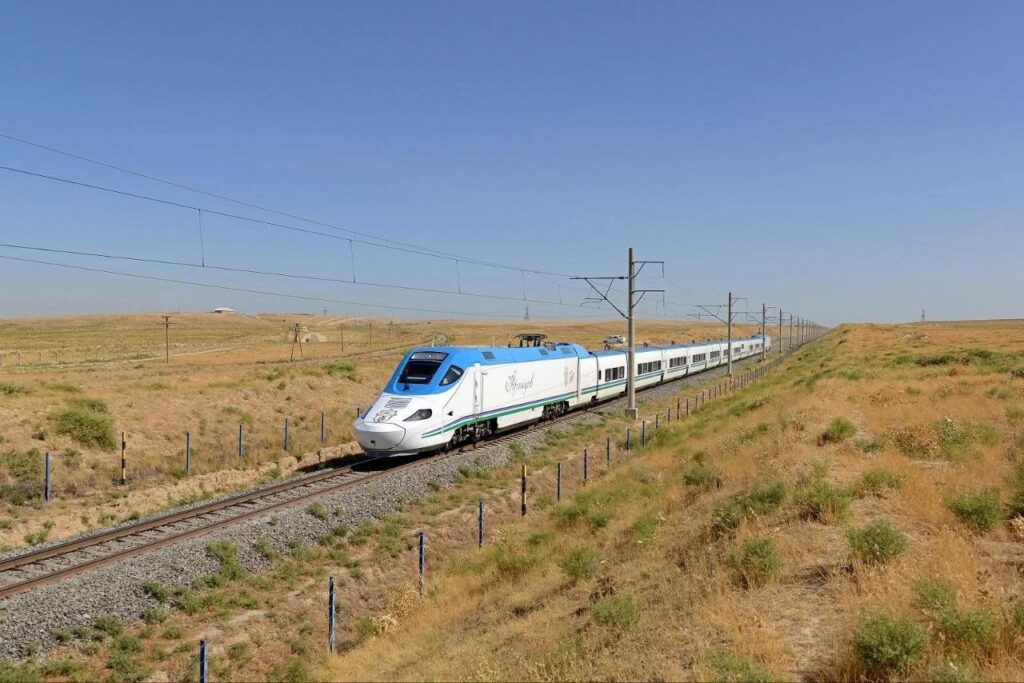
For travellers whose itinerary stays within Uzbekistan’s Silk Road cities and skips the mountains entirely, a conventional suitcase remains perfectly workable, since city-to-city travel here runs largely on paved roads and modern trains. The moment Kyrgyzstan, Tajikistan or the mountainous stretches of Kazakhstan enter the itinerary, however, the backpack argument becomes less a preference and more a practical requirement.
Country-by-Country Packing Nuance
Uzbekistan: dressing for heat, history and hospitality
Uzbekistan’s Silk Road cities, Samarkand, Bukhara, Khiva, reward comfort over technicality. Breathable cotton or linen layers handle the dry heat far better than synthetic hiking fabrics, which tend to feel clammy against skin in 40°C city heat. Comfortable walking shoes matter enormously here, not for altitude but for the sheer number of hours spent on foot across sun-baked stone courtyards and old town lanes. A lightweight scarf earns constant use, both for covering shoulders inside mosques and mausoleums, and for the dust that rises off desert roads between cities. Remember the drone restriction, and remember too that Uzbekistan’s shoulder seasons, spring and early autumn, generally offer the most comfortable conditions for exploring on foot.
Kazakhstan: two countries in one packing list
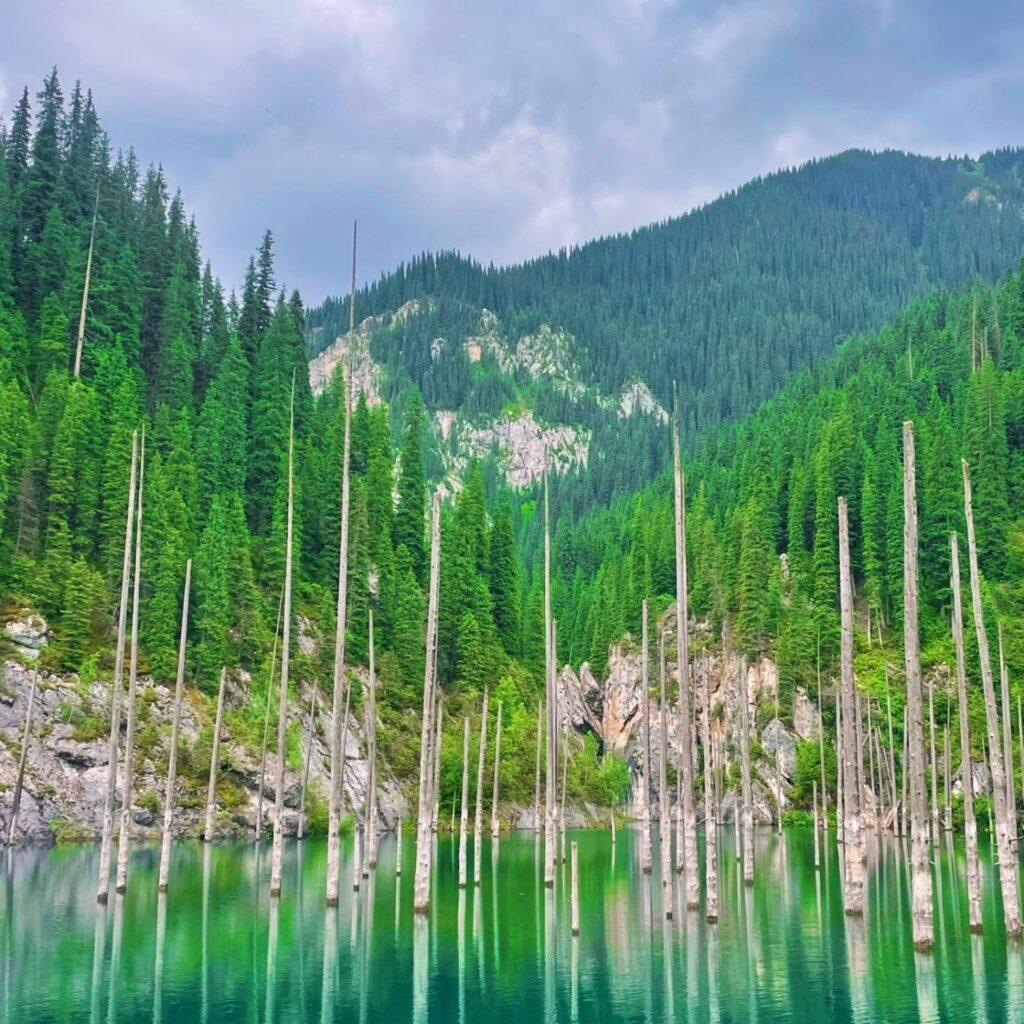
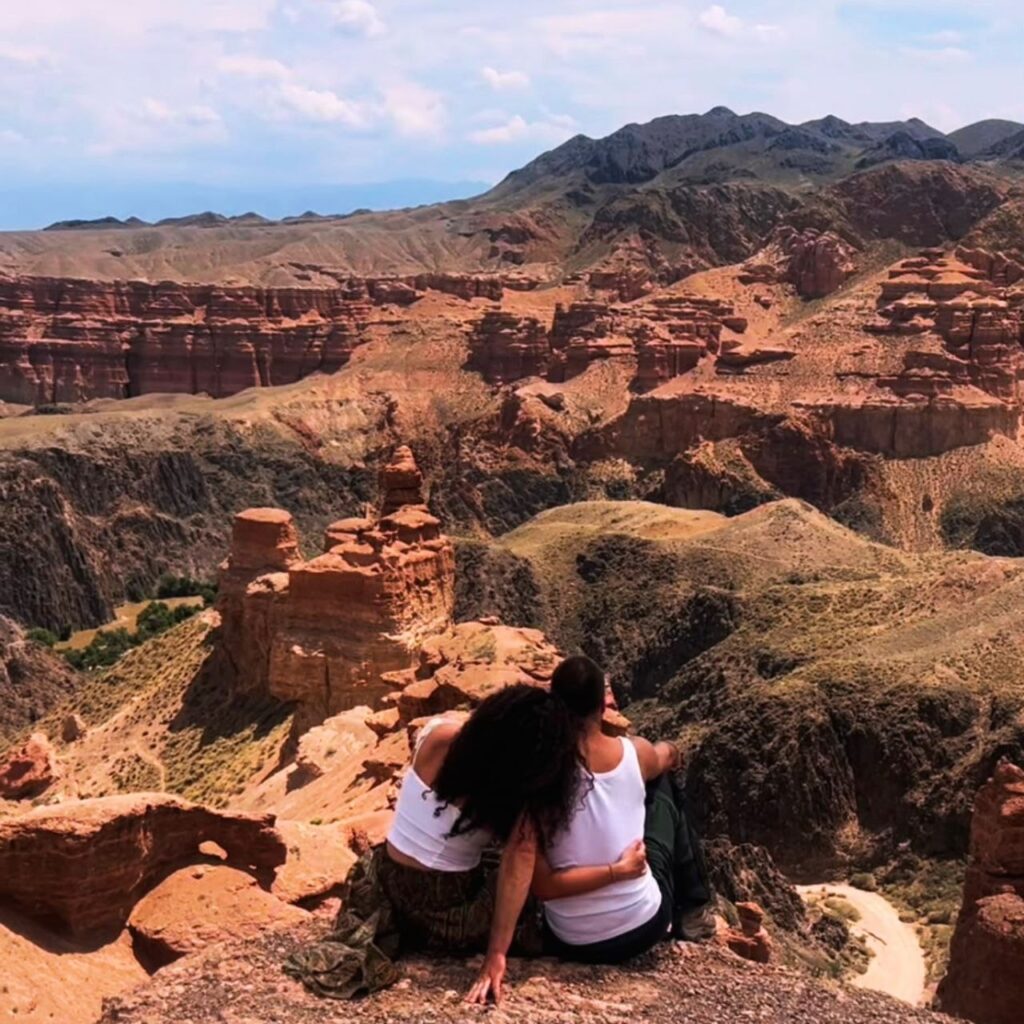
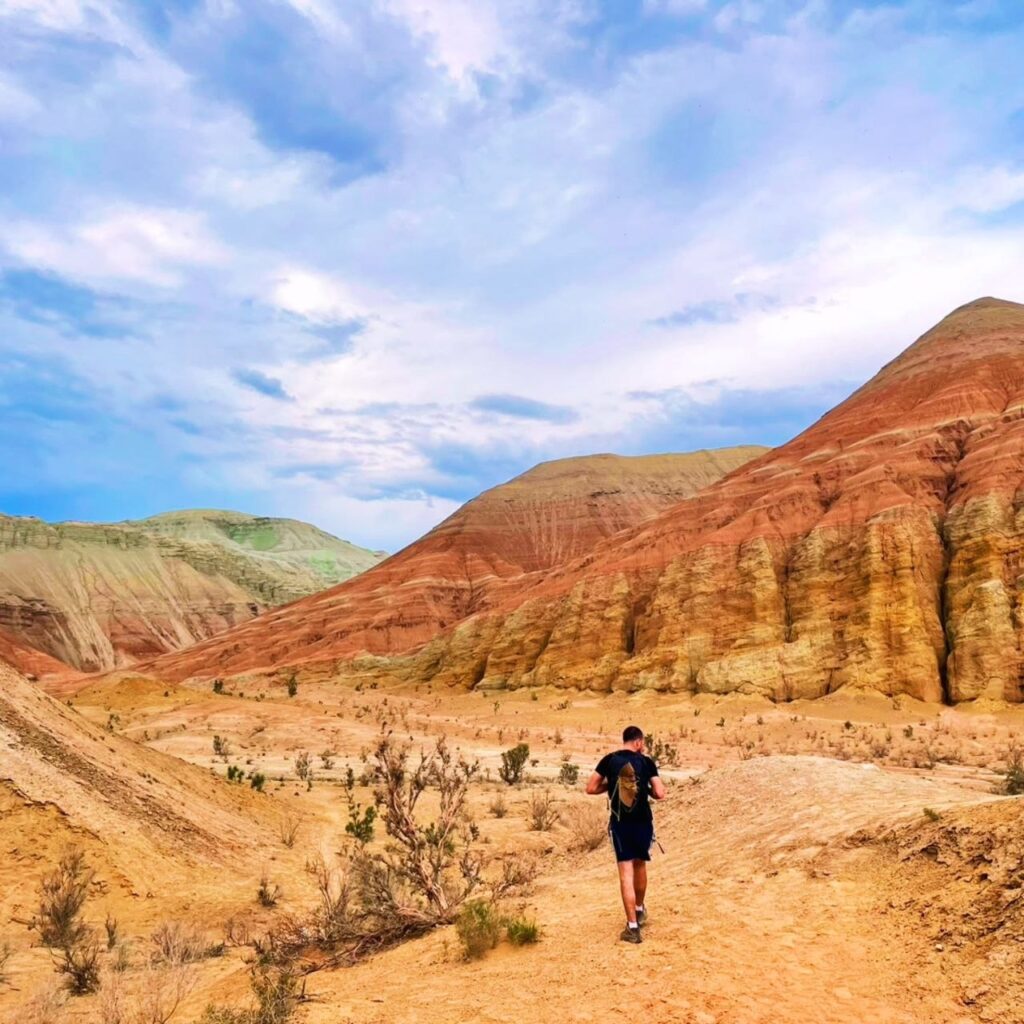
Almaty and Astana call for smart-casual layers not unlike any modern European city, while a single day trip into the Charyn Canyon or the Kolsai Lakes region shifts the requirement entirely toward sturdy boots, a warm layer for surprisingly sharp mountain evenings, and serious sun protection, since the steppe sun proves deceptively strong even on cooler days. Winter travellers heading to Shymbulak or the region’s other ski resorts should pack proper thermal base layers and genuine cold-weather gear, since this is one of the more overlooked but genuinely excellent skiing destinations in Asia.
Kyrgyzstan: the country that tests every layer you own
Kyrgyzstan asks the most of a traveller’s wardrobe, and rewards the effort more generously than anywhere else in the region. For horseback sections, expect ankle boots, soft riding trousers rather than jeans, padded shorts worn underneath for saddle comfort, waterproof gloves, and a jacket manageable with one hand while holding the reins. Ponchos, however practical they sound, spook horses and belong firmly in the “leave at home” pile for riding days.
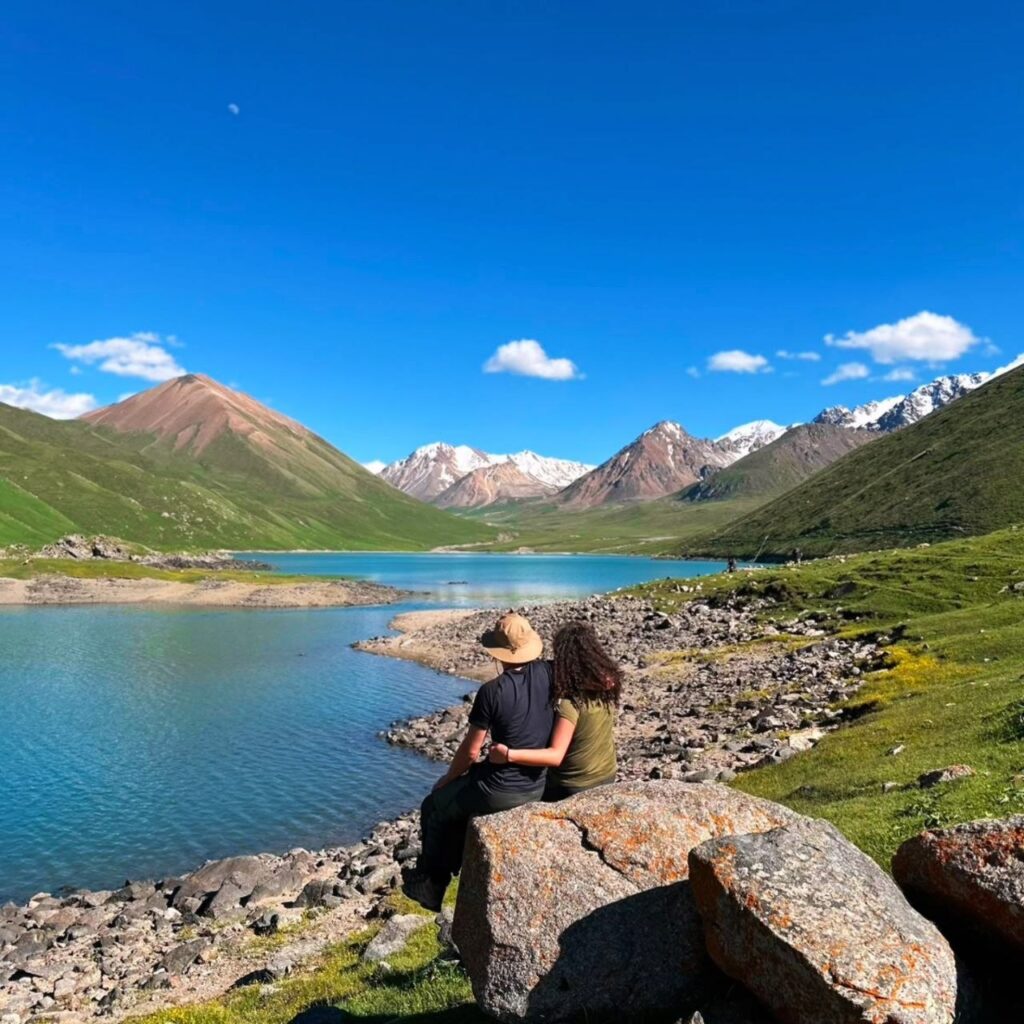
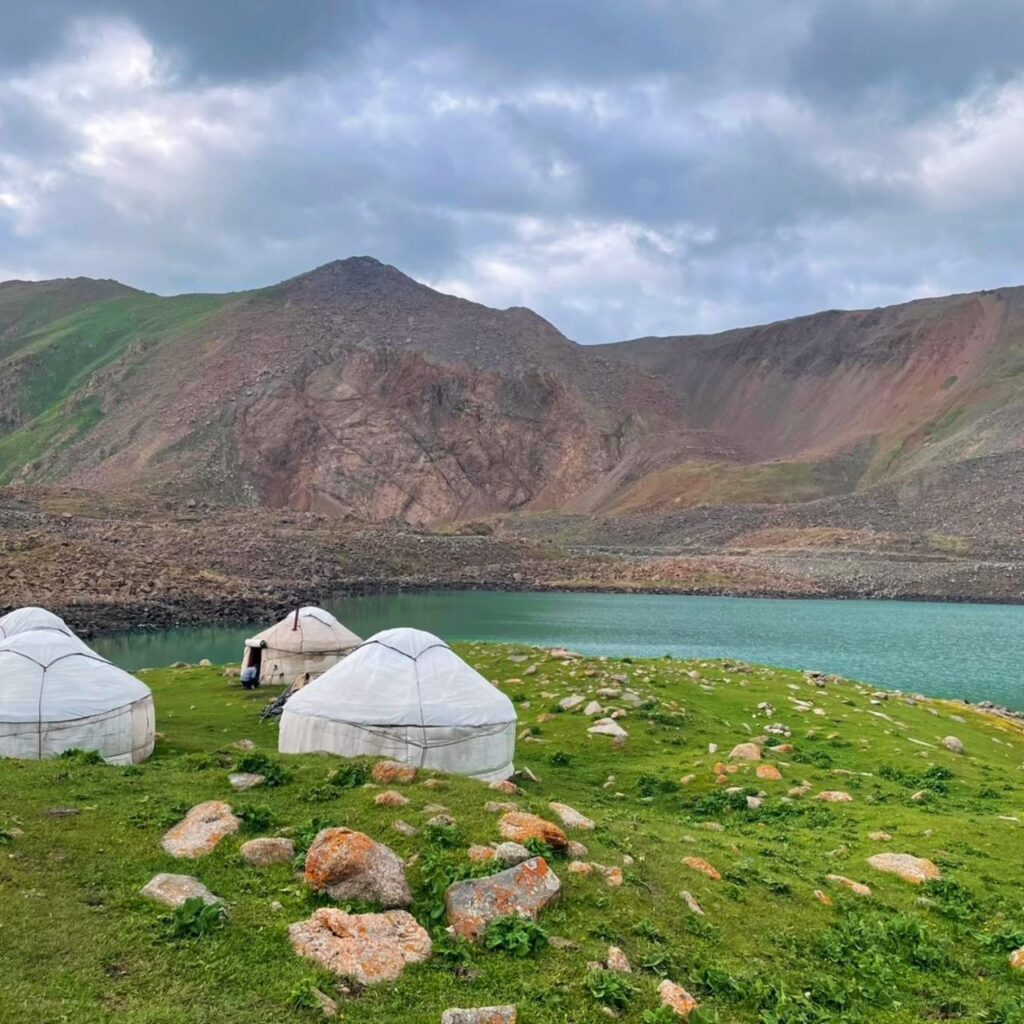
Yurt stays at altitude, particularly around Song-Kul, which sits above 3,000 metres, demand proper thermal layers regardless of how warm the lowland day felt, plus a sleeping bag liner for hygiene, since the blankets provided by shepherd families are not washed daily and a liner adds both warmth and peace of mind. Electricity rarely reaches these camps, making a headtorch and a fully charged power bank essential rather than optional.
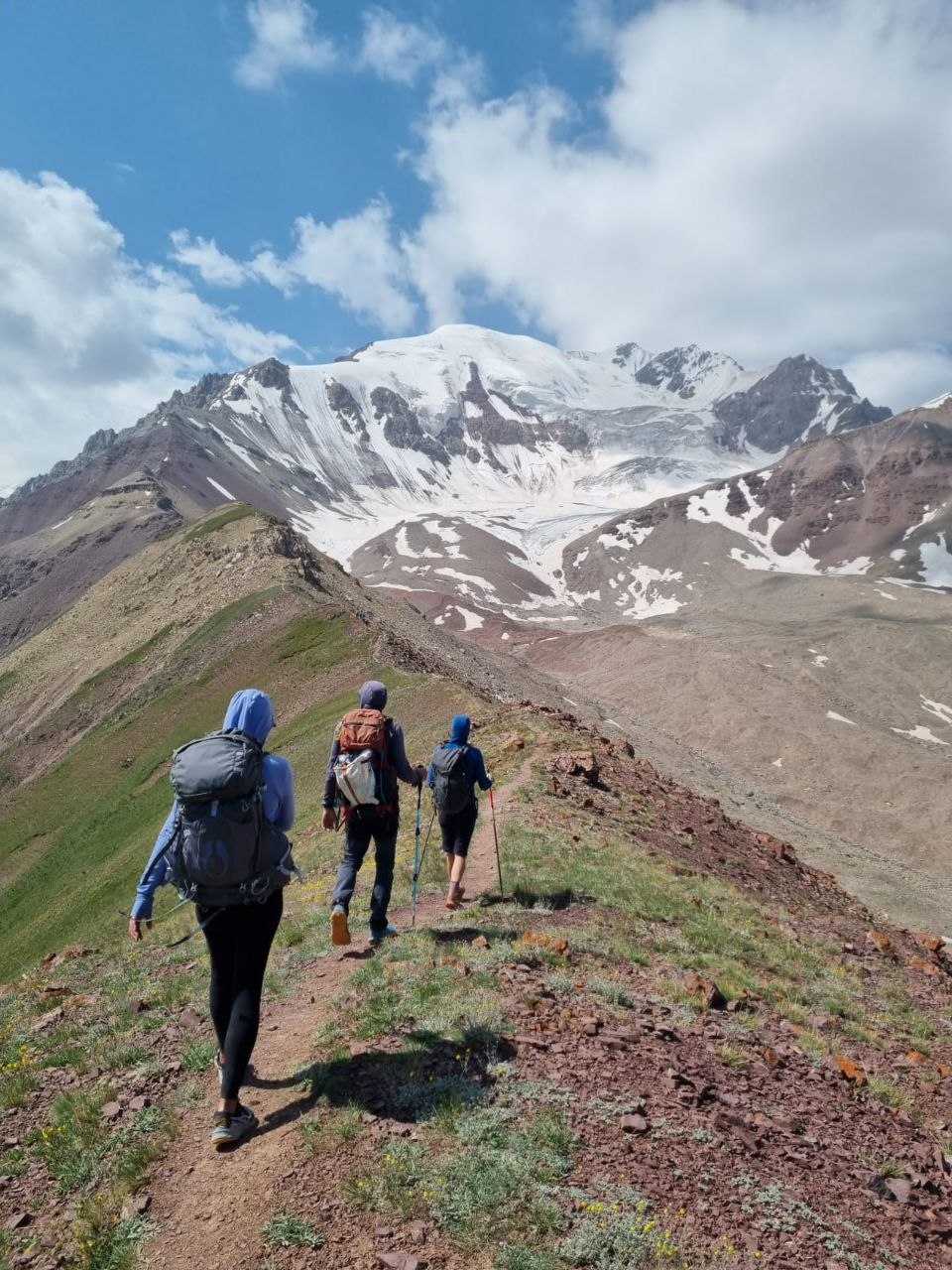
Anyone adding trekking sections, the Ala-Kul circuit or routes through the Alay range among the most rewarding, should add trekking poles, merino wool hiking socks, and a proper waterproof shell, since Kyrgyzstan’s mountain weather genuinely can shift from bright sun to snow within a single afternoon.
Nowhere else on the entire Silk Road route does the packing list connect quite so directly to the culture itself. The nomadic families who welcome travellers into their summer camps each year are not performing a tourist attraction; they are living the same seasonal migration, jailoo, their grandparents followed, moving herds to high pasture each June and back down again before the first proper snow. A traveller who shows up correctly equipped, warm enough, respectful enough, is not simply comfortable. They are, in a small but genuine way, participating in something that has continued largely unchanged for centuries, rather than watching it from a safe and slightly sanitised distance.
Tajikistan: the Pamir Highway does not negotiate
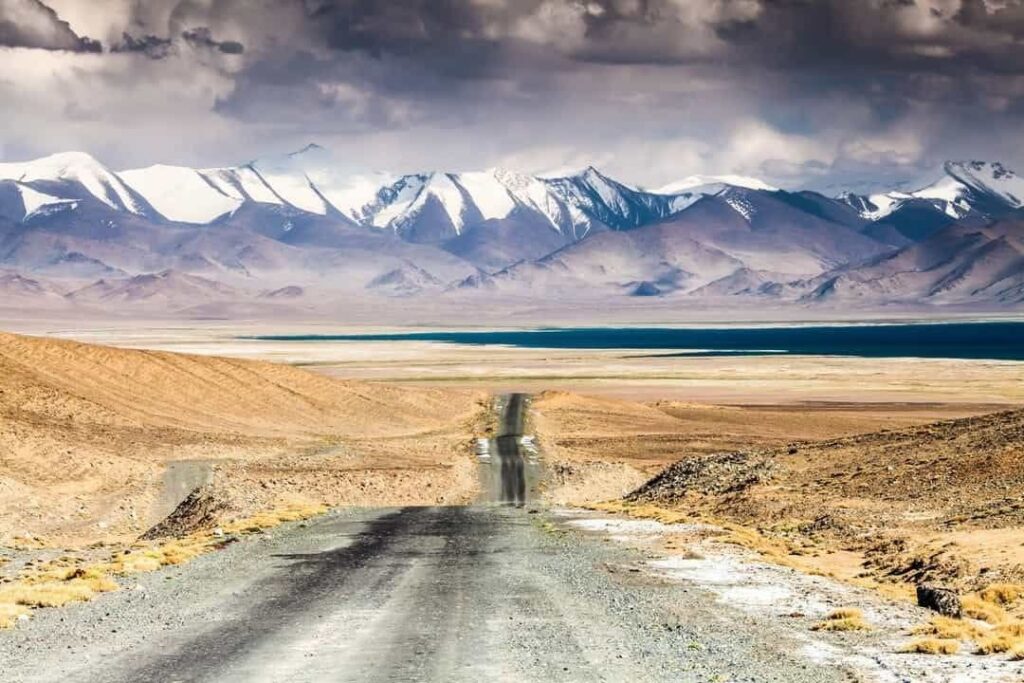
Tajikistan’s Pamir Highway and the Wakhan Corridor sit at altitudes that reshape every packing decision. A sleeping bag rated comfortably to at least minus five degrees Celsius matters for anyone camping along the route, alongside thermal base layers, a genuinely windproof and waterproof outer shell, and sun protection strong enough to handle UV exposure at 4,000 metres plus. Even travellers moving by 4×4 rather than on foot need warm layers for high passes, since vehicle heating rarely matches the cold outside at these elevations, and a dust-resistant scarf or buff earns its place on the unpaved stretches that make up much of this route. Basic medical supplies deserve extra attention here specifically, since pharmacies thin out dramatically once the road leaves Khorog behind.
Anyone who has driven the stretch between Khorog and Murghab knows the particular kind of packing discipline this route demands, one where a single missing layer genuinely changes how the last three hours of a driving day feel. The Wakhan Corridor, running along the Afghan border with the Panj River as the only real barrier between the two countries, delivers some of the most striking landscape on the entire Silk Road route, ancient forts, scattered villages, and mountains on both banks that rarely see more than a handful of visitors in a season. None of that scenery softens the cold once the sun drops behind the ridgeline, which is precisely why the warm layer that felt unnecessary at midday earns its place in the bag by early evening, every single time.
Packing by the Shape of the Journey
A traveller spending a week moving between Silk Road cities packs almost nothing in common with one spending ten days on horseback through Kyrgyzstan’s high pastures. Matching the kit to the actual shape of the itinerary, rather than packing for a generic “adventure,” saves both bag weight and frustration.
City and cultural itineraries favour breathable, modest clothing, comfortable walking shoes rather than hiking boots, and minimal technical gear. Trekking and multi-day hiking itineraries demand waterproof boots, trekking poles, thermal layers and a genuinely reliable rain shell. Horseback itineraries need ankle boots, soft trousers, padded shorts and weather protection that survives being managed one-handed. Overland and 4×4 expedition itineraries, the format most Pamir Highway and Wakhan Corridor journeys follow, need warm layers for high passes even without walking, plus dust protection and a well-stocked medical kit given the distance from reliable pharmacies.
The Seasonal Calendar
| Season | Best regions | What changes in the bag |
|---|---|---|
| Summer (June–September) | Kyrgyzstan, Tajikistan, mountain Kazakhstan | High passes open, warm days, cold nights; pack for both |
| Spring & autumn (Mar–May, Oct–Nov) | Uzbekistan, lowland Kazakhstan | Pleasant city-touring weather; high mountain passes may still be closed |
| Winter (Nov–Feb) | Kyrgyzstan and Kazakhstan ski regions | Genuine cold-weather gear; Tajikistan’s Pamir Highway largely inaccessible |
Summer marks the genuine high season for the mountain regions, when snowmelt clears the highest passes and semi-nomadic families move their herds and yurts up into the valleys, a rhythm that predates any tourism industry and continues regardless of who is watching. Spring and autumn suit Uzbekistan best, offering comfortable temperatures for the kind of extended city walking these itineraries demand, though anyone hoping to combine a shoulder-season Uzbekistan trip with high-altitude Kyrgyzstan or Tajikistan travel should expect closed passes and absent yurt camps at elevation. Winter belongs to a smaller, hardier group of travellers drawn to genuinely excellent, largely uncrowded skiing in Kyrgyzstan and Kazakhstan.
What Fifteen Years of Watching Travellers Pack Actually Teaches You to Leave Behind
Experience here tends to remove items from the bag rather than add them. A full-size hairdryer, an entire suitcase of “just in case” outfits, an oversized DSLR kit carried purely out of habit rather than intention, all of these tend to become dead weight within the first two days. A rolling suitcase, however well built, struggles badly the moment the road stops being paved, and most yurt camps and mountain routes simply have no surface for wheels to roll across at all.
The travellers who move through this region most comfortably tend to pack roughly a third less than their instinct first suggests, then supplement with items rented or bought locally, camping equipment on multi-day treks, warmer layers if the forecast shifts, rather than carrying every contingency from home.
A Note on Respectful, Regenerative Packing
Every item that ends up in a bag also ends up somewhere in the region once the trip ends, and Central Asia’s remote valleys have limited capacity to absorb western consumer waste. Biodegradable toiletries, a reusable water bottle paired with a filtration system rather than a steady stream of single-use plastic, and a genuine willingness to dress in a way that respects local norms rather than treating village life as a photo backdrop, all shape the kind of traveller who leaves a place better than a checklist alone ever could. This is the same philosophy that shapes how thoughtful operators build itineraries in the first place: small groups, genuine relationships with the families and communities hosting them, and a pace that allows for actual connection rather than a rushed collection of landmarks.
The Unwritten Rules: Hospitality, Gifts and What to Pack for the Moments No List Prepares You For
At some point on nearly every Silk Road itinerary, a family invites a group of strangers in for tea, then bread, then a meal that clearly took hours to prepare, offered without any expectation of payment. This happens often enough across Kyrgyzstan, Tajikistan and rural Uzbekistan that it stops feeling like luck and starts feeling like the actual culture of the place, hospitality treated as an obligation of dignity rather than a transaction.
A traveller who arrives prepared for this moment carries small, thoughtful gifts that respect rather than complicate that exchange. Practical items travel well: good quality tea, small sweets or chocolates for children in the household, sturdy pens or notebooks for school-age kids, or postcards from home that give a family something tangible from a visitor’s own world. Money offered directly to a hosting family, rather than through the tour operator or guide who has arranged the relationship, tends to create more discomfort than goodwill and is worth avoiding.
Photography deserves the same care. Asking before photographing someone directly, particularly women in more conservative rural areas, costs a traveller nothing and changes the entire tone of the interaction. Most families say yes without hesitation once asked properly. The families who prefer not to be photographed deserve that preference respected without negotiation.
Removing shoes before entering a yurt or a family home is standard practice, so footwear that slips on and off easily, alongside a clean pair of socks kept specifically for this, saves an awkward fumble at the doorway. Accepting food or drink with the right hand, or both hands, rather than the left, remains the norm across the region’s more traditional households, a small detail that experienced travellers absorb quickly and newcomers appreciate having been told in advance.
The Complete Packing Checklist, Category by Category
For travellers who want a single reference to return to while actually filling a bag, here is the full kit organised by category rather than by country or season, since most items on this list apply regardless of the specific itinerary.
Documents and money: passport valid six months beyond return date, printed and digital visa or e-visa confirmation, GBAO permit if travelling the Pamir Highway, travel insurance policy with high-altitude cover, photocopies of all documents stored separately from originals, a money belt, USD cash in clean, recent notes, a debit or credit card with the bank’s international contact number saved.
Health and hygiene: a compact first aid kit with paracetamol, anti-diarrhoeal medication, rehydration salts, altitude sickness medication if prescribed, motion sickness tablets, any personal prescription medication with a doctor’s letter, high-factor sunscreen, lip balm with SPF, hand sanitiser, biodegradable wet wipes, biodegradable toilet paper, a reusable water bottle with a built-in filter.
Clothing: breathable base layers, a warm mid-layer such as fleece or lightweight down, a waterproof and windproof outer shell, loose long trousers or skirts, long-sleeved shirts or tunics, a warm sweater for evenings, a lightweight scarf or buff, a sun hat, sunglasses with genuine UV protection, thermal layers for altitude, swimwear for alpine lakes and hot springs, and enough clean socks and underwear to avoid relying on laundry access in remote areas.
Footwear: broken-in waterproof hiking boots sized half a size larger than usual, a lightweight second pair such as sandals or slip-on shoes, ankle-supporting boots specifically if horseback riding features on the itinerary.
Technology: a portable charger with genuine capacity, a universal or European-standard adaptor, a headtorch, a camera with a wide-angle lens for architecture and landscapes, and offline mapping software downloaded and tested before departure.
Trekking and horseback specific: trekking poles, merino wool hiking socks, a sleeping bag liner, waterproof gloves, padded riding shorts, and a rain cover for the main backpack.
The extras experienced travellers never regret: earplugs, a small gift for hosting families, a notebook for the details a phone will not capture quite the same way, and, more than any single object, the patience to let a schedule bend a little when the road, quite literally, asks it to.
Frequently Asked Questions
Do I need a visa for Central Asia’s Silk Road countries? Most travellers from the EU, UK, US, Australia and Gulf states can now enter Kyrgyzstan, Kazakhstan and Uzbekistan visa-free or through a simple e-visa system. Tajikistan requires an e-visa plus a separate GBAO permit for anyone travelling the Pamir Highway or Wakhan Corridor region.
What is the single most important item to pack for a Silk Road trip? A genuinely broken-in pair of waterproof hiking boots. More trips lose their enjoyment to blisters and cold, wet feet than to any other packing mistake.
Is it safe to drink tap water anywhere in the region? No. Bottled water or a reusable bottle with a built-in filter system is the standard approach across all four countries, including in the major cities.
How cold does it actually get at altitude in summer? Yurt camps and mountain passes above 3,000 metres regularly drop close to or below freezing overnight, even in July and August, while daytime temperatures at the same altitude can sit comfortably between 15°C and 25°C.
Can women travel comfortably without covering their hair? Yes. Head covering is a cultural, not a legal, expectation here, and most female travellers dress in loose, modest layers with a scarf kept handy for religious sites rather than covering their hair throughout the trip.
Are drones allowed across the region? Kyrgyzstan, Kazakhstan and Tajikistan generally permit drone use away from airports, borders and government sites. Uzbekistan prohibits drones entirely, with confiscation the standard consequence for anyone attempting to bring one in.
What should I pack differently for a horseback itinerary versus a trekking itinerary? Horseback days call for ankle boots, soft trousers rather than jeans, padded shorts, and waterproof gloves, while trekking days favour waterproof hiking boots a half size larger than usual, trekking poles, and merino wool socks.
Is this trip suitable for travellers in their fifties or sixties? Yes, provided the itinerary is matched sensibly to fitness and acclimatisation needs. Central Asia rewards a slower, well-paced approach far more than it rewards speed, and many of the most memorable routes, cultural touring in Uzbekistan, gentle yurt-to-yurt travel around Issyk-Kul, are built around comfort rather than physical extremes. Higher-altitude, multi-day trekking sections benefit from a frank conversation about pace and rest days beforehand.
How much luggage weight is realistic for horseback or trekking sections? Where porters, horses or pack animals carry the main load, weight limits typically sit between 10 and 15 kilograms per person for the sections they cover, which is why packing light and layering rather than duplicating items matters so much for this style of journey.
Can solo travellers, including women travelling alone, do this comfortably? Solo travel across Central Asia has grown considerably more common in recent years, and the region’s hospitality culture tends to work in a solo traveller’s favour rather than against it. Joining a small group itinerary, rather than travelling the more remote mountain routes entirely independently, remains the most comfortable way to combine genuine flexibility with proper local support and companionship along the way.
Where This Leaves You
A well-packed bag for the Silk Road looks almost nothing like a well-packed bag for anywhere else. It holds a scarf that works equally well against dust and against a mosque’s modesty expectations, a jacket that survives a horse’s temperament and a mountain pass’s temperature swing in the same afternoon, and just enough restraint to leave room for what the region actually gives back: tea offered without a transaction attached, a horizon that keeps its promises about silence, and the particular clarity that only comes from being properly, comfortably prepared to simply be present in a place this old.
The details in this guide come from years of watching that preparation succeed and fail in roughly equal measure across these mountains and cities. Every item on this list earned its place the same way, not through theory, but through a traveller somewhere along one of these routes who either had it and was grateful, or didn’t and wished they had.
If a Silk Road journey is the one you have been circling for a while, quietly, in browser tabs and half-finished notes, the conversation about how to build it properly deserves more than another scattered blog post. It deserves the right pace, the right season, and a small group of people who understand why a single afternoon at Song-Kul or a single evening in the Wakhan Corridor can reshape how a person thinks about travel entirely. Reach out, and let’s map out the version of this route that actually fits the traveller you are, not the generic one any checklist assumes.